What Does 14K vs 18K Gold Actually Mean for Your Budget?
One is more affordable. One is richer in color. Both are real gold. Here's how to choose without second-guessing yourself.
In this guide:
You're shopping for a gold ring — or maybe a necklace — and the listing says "14K gold." Another one says "18K." The 18K is pricier. But why? Is it actually better? And does the difference matter for what you're buying?
Here's the honest answer: it depends on what you're looking for. Both are real gold. Both will last. But they're designed for different priorities — and once you understand the tradeoffs, the decision gets a lot easier.
What the numbers actually mean
Gold jewelry is never pure gold. Pure gold (24K) is too soft to wear — it would scratch and bend out of shape within days. So jewelers mix it with other metals like silver, copper, and zinc to create an alloy that's strong enough to last a lifetime.
The "K" stands for karat, which measures how much of that alloy is actually gold:
| Karat | Gold content | Other metals |
|---|---|---|
| 10K | 41.7% | 58.3% |
| 14K | 58.3% | 41.7% |
| 18K | 75% | 25% |
| 24K | 99.9% | — |
That's the whole secret. More gold = higher karat = richer color and higher price. Less gold = stronger alloy = better durability for everyday wear.
14K vs 18K: side-by-side breakdown
| 14K Gold | 18K Gold | |
|---|---|---|
| Gold content | 58.3% | 75% |
| Price | Lower | Higher (20–40% more) |
| Durability | Excellent | Good |
| Color | Warm yellow | Richer, deeper |
| Best for | Daily wear | Special pieces |
| Skin sensitivity | Low risk | Better for sensitive skin |
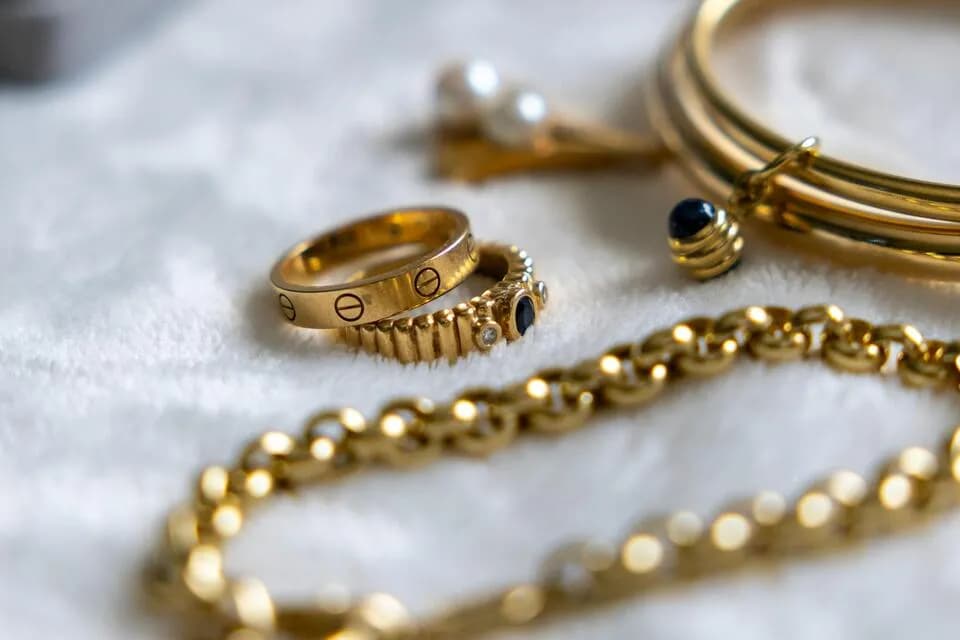
A note on color: The difference between 14K and 18K yellow gold is subtle but real. 18K has a slightly richer, deeper warmth — you'll notice it most in side-by-side comparisons. Rose gold follows the same pattern: 18K rose gold has a more intense blush than 14K.
Who should pick which
Go 14K if...
- You want an engagement ring or wedding band you'll wear every day. 14K holds up better to daily contact with surfaces, water, and activity.
- Budget matters. You'd rather put the savings toward a larger stone or better setting — which, honestly, most people notice more than the karat difference.
Go 18K if...
- You or someone you're buying for has a nickel sensitivity. The lower alloy content in 18K means less of the metals most likely to cause reactions.
- This is a special-occasion piece — a pendant, a gift, something worn a few times a year. The richer color is worth it when it won't take daily abuse.
What about 10K and 24K?
10K is the most affordable option and the most durable — but it has a noticeably paler color and is the most likely to cause reactions in sensitive skin due to its higher alloy content. It's common in fashion jewelry and budget-friendly pieces.
24K (pure gold) is the most brilliant and hypoallergenic, but it's impractical for most jewelry. It scratches easily and won't hold a stone securely. You'll mostly see it in investment-grade bars, coins, or decorative pieces not meant to be worn daily.
For most jewelry purchases — rings, necklaces, earrings — the real decision is between 14K and 18K. And honestly? Either one is a great choice. The difference comes down to your priorities.
The bottom line
14K gold is the sweet spot for everyday jewelry. It's durable, beautiful, and significantly more affordable — which is why it's the most popular choice for engagement rings in North America. 18K gold is richer in color and better for sensitive skin, making it ideal for special pieces or those who react to alloys.
When you're shopping, look for the karat stamp (14K, 18K) and make sure it's clearly marked on the piece or the listing. Any reputable retailer — James Allen, Brilliant Earth, With Clarity — will always disclose this upfront. If it's not listed, that's a red flag.

About Emma Kelly
Emma is a certified gemologist and former luxury jewelry buyer with over 10 years of experience navigating the diamond district. She specializes in finding high-value alternatives for modern couples.